
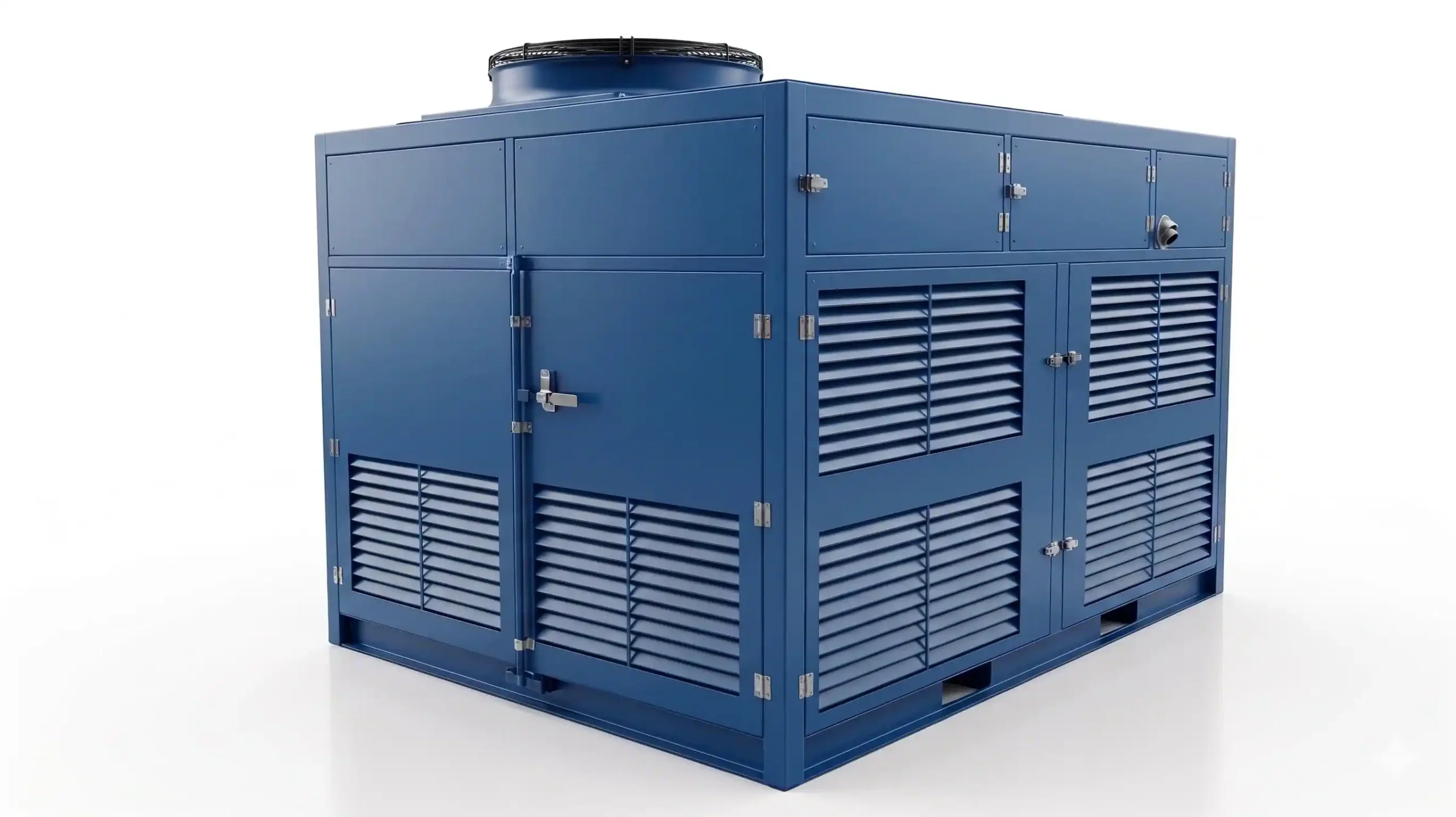
Humidity is one of the biggest challenges in modern shipbuilding and marine maintenance. During abrasive blasting, surface preparation, and protective coating, excessive moisture can cause flash rust, poor paint adhesion, coating failures, and costly project delays.
A Shipyard Dehumidifier provides a stable low-humidity environment, allowing blasting and painting operations to continue regardless of weather conditions. By controlling relative humidity and preventing condensation, shipyards can improve coating quality, reduce rework, and shorten construction schedules.
Why Shipyards Need a Dehumidifier
Shipyards operate in coastal environments where humidity is naturally high. During construction and maintenance, steel structures are constantly absorb moisture from the surrounding air. High humidity can quickly compromise surface preparation and coating performance.
Without proper humidity control, shipyards often experience:
- Flash rust immediately after abrasive blasting
- Surface condensation before coating application
- Poor paint adhesion
- Coating blistering and premature corrosion
- Increased rework and labor costs
- Project delays caused by rain or high humidity
Installing a Shipyard Desiccant Dehumidifier creates a controlled environment that helps meet international coating specifications while improving production efficiency.
Applications of Shipyard Dehumidifiers
Shipbuilding
Maintain low humidity during hull fabrication, block assembly, steel preservation, and vessel construction.
Abrasive Blasting
Prevent flash rust after blasting and keep steel surfaces clean before coating.
Marine Coating
Provide stable environmental conditions for epoxy, polyurethane, zinc-rich primers, and other protective coatings.
Dry Dock Maintenance
Supply dry air for ship repair, refurbishment, maintenance, and inspection.
Cargo and Ballast Tanks
Reduce moisture during blasting, painting, curing, and inspection.
Offshore Fabrication
Control humidity for offshore platforms, steel structures, modules, and marine equipment manufacturing.
How a Shipyard Dehumidifier Works
A Shipyard Rotary Desiccant Dehumidifier uses a high-performance silica gel rotor to continuously remove moisture from the process air.
The operating process includes:
- Humid air enters the dehumidifier.
- Moisture is absorbed by the desiccant rotor.
- Dry process air is supplied to the blasting or painting area.
- Regeneration air removes moisture from the rotor.
- The rotor continuously rotates, providing uninterrupted dehumidification.
Unlike conventional refrigerant dehumidifiers, desiccant technology can maintain low humidity even in cool environments and achieve much lower dew points.
Benefits of Using a Shipyard Dehumidifier
Improve Coating Quality
Maintaining low humidity significantly improves paint adhesion and coating durability while reducing coating defects.
Prevent Flash Rust
Freshly blasted steel remains clean and dry, minimizing oxidation before painting.
Increase Productivity
Continue blasting and painting operations even during rainy seasons or high-humidity weather.
Reduce Operating Costs
Lower labor costs, reduce coating waste, and minimize expensive rework.
Meet International Standards
Help comply with ISO 8501, ISO 12944, SSPC standards, and coating manufacturer recommendations.
Protect Equipment
Reduce corrosion of machinery, tools, electrical equipment, and stored materials.
Recommended Environmental Conditions
| Parameter | Recommended Value |
|---|---|
| Relative Humidity | Below 50% RH |
| Steel Temperature | At least 3°C above the dew point |
| Dew Point | Controlled according to coating specifications |
| Air Temperature | 15–35°C |
How to Choose the Right Shipyard Dehumidifier
When selecting a Shipyard Dehumidification System, consider the following factors:
- Airflow capacity (m³/h or CFM)
- Moisture removal capacity (kg/h)
- Required humidity level
- Operating temperature
- Size of the blasting or painting area
- Temporary or permanent installation
- Energy efficiency
- Automatic humidity control
- Corrosion-resistant construction
- Ease of maintenance
For large shipyards, customized systems are often required to provide continuous dry air to multiple blasting and coating areas simultaneously.
Why Choose GOZ Shipyard Dehumidifiers
GOZ specializes in industrial desiccant dehumidification systems designed for demanding marine environments. Our equipment provides reliable humidity control for shipbuilding, abrasive blasting, protective coating, offshore fabrication, and dry dock maintenance.
Key advantages include:
- High-performance silica gel rotor technology
- Stable low-humidity operation
- Low dew point performance
- Intelligent PLC control system
- Energy-efficient regeneration heating
- Custom airflow and dehumidification capacities
- Continuous 24/7 industrial operation
- Tailor-made solutions for different shipyard applications
Frequently Asked Questions
What humidity is recommended for shipyard painting?
Most marine coating projects recommend maintaining the working environment below 50% RH, while keeping the steel temperature at least 3°C above the dew point.
Why choose a desiccant dehumidifier instead of a refrigerant dehumidifier?
Desiccant technology achieves much lower humidity levels and operates efficiently even in cool environments, making it ideal for shipyards and marine coating applications.
Can a shipyard dehumidifier be installed outdoors?
Yes. Many shipyards install the dehumidifier outdoors and deliver dry air into enclosed blasting or painting areas through insulated flexible ducts.
Can GOZ customize dehumidification systems?
Absolutely. GOZ offers customized airflow, dehumidification capacity, PLC control, filtration systems, duct connections, and installation solutions to meet your project’s specific requirements.
Conclusion
A Shipyard Dehumidifier is an essential solution for modern shipbuilding, abrasive blasting, marine coating, and offshore fabrication. By maintaining stable low-humidity conditions, shipyards can eliminate flash rust, improve coating quality, shorten project schedules, and reduce overall operating costs.
Whether your project involves new ship construction, dry dock maintenance, offshore fabrication, or protective coating, a customized Shipyard Dehumidification System from GOZ provides reliable humidity control and long-term corrosion protection.
Technical References
To ensure reliable humidity control and corrosion protection in marine environments, industry professionals commonly refer to internationally recognized standards and technical guidance.
ASHRAE Handbook – HVAC Systems and Humidity Control Resources
https://www.ashrae.org/technical-resources/ashrae-handbook
ISO 12944 – Paints and Varnishes – Corrosion Protection of Steel Structures by Protective Paint Systems
https://www.iso.org/standard/92717.html
AMPP Standards – Association for Materials Protection and Performance
https://www.ampp.org/standards/ampp-standards